
Advancing Latinx in wine
Sustainability rests on three pillars: people, planet and profit. Growers see climate action as a strategic priority — but many are slow to recognise social justice as a risk factor at all.
The journal
What the certifications are worth, what the weather is doing to terroir, who does the picking — and the wines found along the way.
Written by Sandra E. Taylor
Read by subject
Sustainability is usually read as environmental stewardship alone. These posts keep pulling it back to the whole of it — the climate that is rewriting terroir, the people who work the rows, and the market that decides whether any of it pays.
Sustainability rests on three pillars: people, planet and profit. Growers see climate action as a strategic priority — but many are slow to recognise social justice as a risk factor at all.
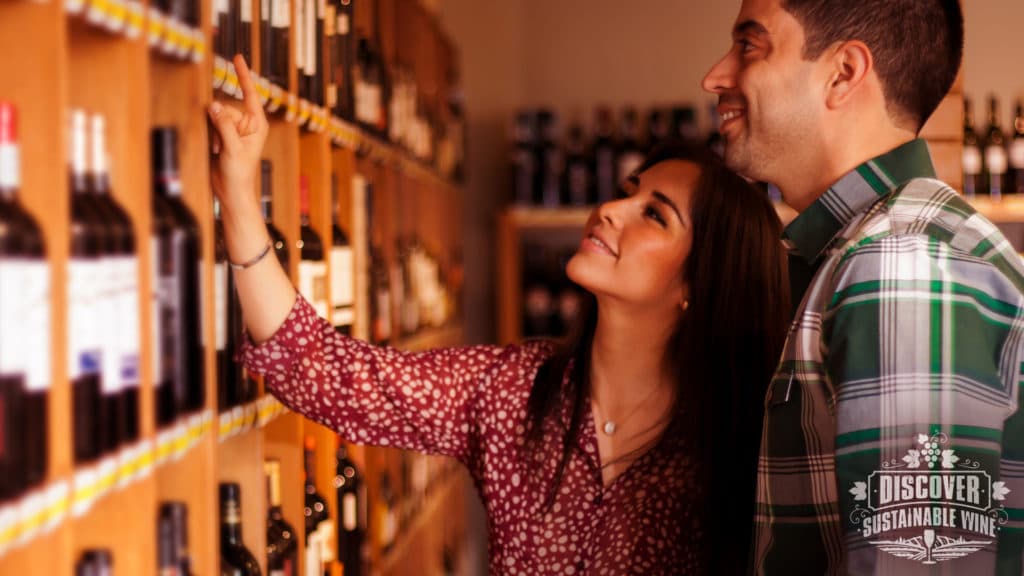
Too often diversity is thought of as solving a problem, when in fact it should be viewed as a missed opportunity. Black consumers’ collective spending is set to reach $1.7 trillion by 2030 — equal to the projected GDP of Mexico.
4 min read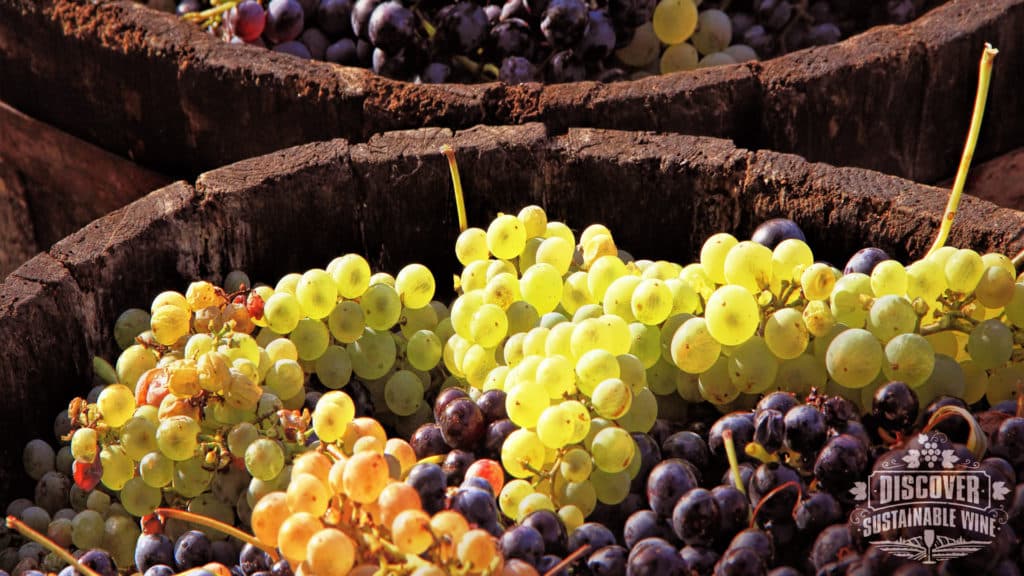
Only 14% of bonded wineries in California report a woman as lead winemaker, and fewer than 0.1 percent of all winemakers in the US are Black. Diversifying the industry goes well beyond hiring people of color.
5 min read
Addressing the Australian Wine International Technical Conference on diversity, I kept to three themes: unconscious bias, the barriers to entry that mean we are missing talent, and the business case — not simply social justice.
4 min readEverything argued here — what the words on a label mean, what the certifications audit, which producers have earned them — worked through bottle by bottle, with lists by varietal and region.